Best Singing Posture is the foundation upon which every great voice is built, yet many beginners overlook it. Before focusing on advanced techniques, you must first understand that the way you hold your body directly affects how your voice develops. When your posture feels balanced and relaxed, your breath flows more naturally, your tone becomes clearer and singing starts to feel easier and more controlled.
Unfortunately, many new singers create tension without realising it. Some slouch, while others stand too rigidly in an effort to ‘look correct.’ As a result, both confidence and vocal freedom can suffer. However, when you learn a simple and natural alignment from the beginning, you give your voice the space it needs to grow. This small adjustment can make singing more enjoyable, more effective and far less tiring.
⏱️ Lesson Length
15 minutes
🎯 Level
Beginner to Intermediate
🌟 What You’ll Learn
By the end of this best singing posture lesson, you will understand how to:
Improve vocal ease and comfort
Reduce unnecessary physical tension
Find your most natural singing stance
Support your voice more effectively
Create better balance for clearer sound
💡 Why This Matters
Your best singing posture is not about looking impressive or standing stiffly. Instead, it is about allowing your voice to function freely.
When your posture is poor, several problems can appear, including:
Excess tension in the neck, shoulders, or jaw
Weak or unstable sound
Shallow breathing
Reduced stamina while singing
Difficulty reaching higher or lower notes
Therefore, improving posture often improves singing faster than expected.
🧠 Key Idea
Do not “hold” posture by force. Instead, allow posture to happen naturally.
Aim to stay:
Balanced
Relaxed
Flexible
Grounded
Free to move
The body should feel organised, not frozen.
💡 Why This Matters
Effective posture is not about looking correct — it’s about allowing your voice to function without interference.
Many vocal issues that seem technical are actually caused by:

Poor alignment
Hidden tension
Inefficient balance
When posture is right, singing becomes:
Easier
Clearer
More reliable
🧠 Key Idea: Posture = Freedom
Posture is not a fixed position.
It is a dynamic, balanced state that allows:
Free movement
Natural breathing
Efficient sound production
👉 The goal is not to hold your body — but to allow alignment.
🦶 Posture and the Voice: Start from the Ground
Your voice begins from the ground up, not the throat.
The Tripod Foot
Imagine three points under each foot:
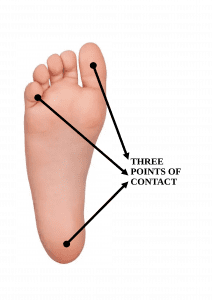
Base of the big toe
Base of the little toe
Centre of the heel
Even weight across these points creates:
Stability
Better breath support
Reduced tension
⚠️ Important: Keep Soft Knees
Many singers lock their knees without noticing. However, locked knees often create tension throughout the legs, hips, and lower back.
Instead:
👉 Keep your knees gently soft and flexible.
This does not mean bending deeply. It simply means avoiding stiffness.
💡 Try singing a high note with soft knees. Most singers immediately notice it feels easier.
🧪 Try This: Find Your Balance Point
To discover your natural stance:
Shift your weight slightly forward.
Then shift slightly backward.
Next, move gently side to side.
Finally, settle in the middle.
👉 That centred feeling is your natural balance point.
When you sing from this position, the body supports you without strain.
⚠️ Avoid These Common Mistakes
Many singers accidentally create tension by doing the following:
Pulling the shoulders back too far
Puffing out the chest
Standing rigidly
Locking the knees
Holding the stomach tightly
👉 Although these habits may feel “strong,” they usually restrict freedom.
🧠 Build Your Singing Posture
Now combine everything into one easy setup:
Feet hip-width apart
Knees soft
Pelvis neutral
Spine tall but not stiff
Chest comfortably open
Head balanced over the spine
Jaw relaxed
The result should feel calm, natural, and ready for breath.
💡 Secret Tip
Try singing while lying down on your back.
Many singers notice that breathing feels easier and the throat feels freer. This happens because the body naturally releases unnecessary tension.
Next:
Stand up again.
Lean back very slightly.
Keep the same easy feeling.
👉 This often helps recreate that relaxed alignment while standing.
🧠 Release Tension Naturally
Before singing, quickly check these areas:
Let the arms hang freely
Drop the shoulders
Relax the jaw
Soften the face
Release the neck
👉 Good posture often removes tension automatically.
🧪 Try This: Notice Head Position
Sing one short phrase three times:
With the head tilted upward
With the head tilted downward
With the head balanced naturally
👉 Listen carefully to how the sound changes.
Most singers discover that a balanced head position creates the clearest tone.
📋 Posture Checklist
Best Singing Posture Checklist for Vocalists
This checklist focuses on the dynamic, subtle elements of effective posture that lead to optimal sound.
Body Area | Effective Stance Principle | Why It Works (The Surprising Result) |
Feet | Weight evenly distributed across the ‘tripod’ points. | Creates a stable, grounded foundation that prevents core rigidity. |
Knees | Soft, unlocked and flexible. | Prevents tension that robs you of your correct phonation. |
Arms | Hanging loosely and aiding the songs expression. | Clenched fists, folded or rigid arms, reflects in the phonation. Expressive confident arms work. |
Pelvis | Neutral and balanced. | Provides a stable anchor for the abdominal muscles of breath support. |
Spine | Elongated, not arched or rigid. | Creates maximum vertical space for the vocal tract and breath capacity. |
Shoulders | Relaxed and hanging heavy. | Releases tension from the neck and throat, freeing the larynx. |
Head | Balanced and floating on top of the spine. | Optimises the length of the vocal tract for maximum resonance. |
Jaw | Loose, heavy and unhinged. | Removes the primary obstacle to a full, rich and open sound. |
By focusing on these points of release and dynamic balance, you will find that the ‘right stance’ is not a fixed pose, but a state of effortless readiness that allows your voice to resonate with its full, natural power.
Use this as a quick reference:
Feet grounded (tripod balance)
Knees soft
Pelvis neutral
Spine long but relaxed
Shoulders loose
Head balanced
Jaw free
⚠️ Avoid This During Practice
As you sing, watch out for:
Locked knees
Tight jaw
Raised shoulders
Stiff neck
Rigid posture
When you notice tension, reset gently rather than forcing.
✍️ Your Task
Do this now:
Check your posture from feet to head.
Sing one line of a song.
Adjust your balance.
Sing the line again.
Compare the difference.
👉 Small physical changes often create big vocal improvements.
📅 Practice Plan
Spend 5–10 minutes daily working on posture.
Focus on:
✔ Staying relaxed
✔ Keeping balance
✔ Releasing tension
✔ Breathing freely
✔ Not forcing anything
Consistency matters more than intensity.
🔁 Recap
Remember these core ideas:
Posture supports your voice
Balance creates better sound
Relaxation improves breathing
Freedom reduces tension
Small changes make big differences
When your best singing posture improves, singing often improves with it.