Speaking Skills
Improve clarity, confidence and professional presence with focused speaking skills lessons specialising in Accent Reduction. These sessions help speakers maintain their linguistic identity while increasing intelligibility in professional, academic and social settings.
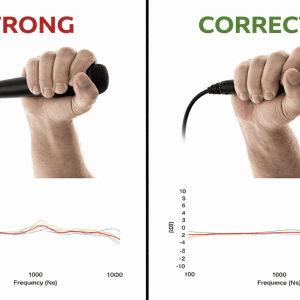
You’ll explore vocal warm‑ups, breathing and posture, then move into tension management, diction, alphabet, including tongue placement, projection and microphone techniques for those of you that perform.
Who these lessons are for
- Non-native and regional English speakers seeking clearer communication
- Professionals aiming for greater workplace clarity and influence
- Students preparing for presentations, interviews, or public speaking
- Actors and broadcasters needing precise diction and consistency
- Speakers in churches and similar situations
Core focus areas
- Pronunciation and segmental work: Targeted practice of vowels, consonants and common substitution patterns that affect intelligibility.
- Suprasegmentals: Rhythm, stress, intonation and sentence melody to convey meaning, emphasis and naturalness.
- Connected speech and linking: Natural phrasing, reductions and liaison that improve flow without losing clarity.
- Phonemic awareness: Training the ear to detect subtle sound differences and self-correct in real time.
- Voice quality and projection: Breath support, resonance and articulation for clearer delivery.
- Listening and imitation drills: Model-based repetition using recordings and controlled shadowing techniques.
- Pragmatic and cultural cues: Politeness formulas, discourse markers and conversational norms for target varieties of English.
- Real-world application: Presentations, meetings, phone calls and networking simulations tailored to professional contexts.
Typical lesson structure
- Brief assessment and goal-setting (5–10 min)
- Targeted drills (pronunciation, intonation) (15–20 min)
- Functional practice (role-plays, presentations) (15–20 min)
- Feedback and corrective strategies (5–10 min)
- Personalised homework with audio models (5 min)
Measurable benefits
- Increased intelligibility in workplace and social interactions
- Faster, clearer delivery during presentations and interviews
- Reduced listener effort and improved listener impressions
- Greater confidence when speaking in high-stakes situations
- Practical strategies for ongoing self-monitoring and improvement
Recommended practice routine
- Short daily drills (10–20 minutes) focusing on one target sound or pattern
- Weekly recorded speaking tasks for feedback and progress tracking
- Active listening to native models and shadowing for 5–10 minutes daily
- Integrate new pronunciation pattern technique into real conversations immediately
Typical outcomes after a few months
- Noticeable reduction in common accent features that impede understanding
- More natural rhythm and intonation matched to target varieties
- Improved listener comprehension and smoother conversational flow
- Stronger performance in interviews, presentations and networking
Tips for an effective accent-reduction approach
- Prioritise intelligibility goals rather than eliminating all traces of accent
- Use objective measurements (recordings, listener ratings) to track progress
- Combine focused drills with meaningful communicative practice
- Select a teacher who offers tailored feedback and clear, progressive targets
Key Takeaway
Each topic is designed to help you speak with greater clarity, control and confidence – so that your words are heard, understood and remembered.