Intermediate Breathing Techniques
Introduction: The Unseen Foundation of Singing
For a singer, the breath is the single most important element of vocal technique. It is the engine that drives the voice, providing the necessary power, control and stamina to sustain notes. Also, to execute complex phrases and maintain a consistent tone across the entire vocal range. Without proper breath management, even the most talented voice will struggle with pitch wavers, volume and endurance. When the air is displaced, stamina disappears.

Lesson Overview
This lesson will guide you through the core principles of a singer’s Breathing Techniques. Focusing on the essential technique of Appoggio (vocal support). This lesson is designed to retrain breathing so it supports the voice rather than fighting it. You will learn how to release upper-body tension, engage the diaphragm correctly and control airflow. For speaking and singing with ease. These techniques apply equally to singing, accent reduction, public speaking and everyday communication.
This lesson focuses on functional breathing rather than forceful breathing. You will not be taking huge gulps of air. Instead, you will learn how to draw the breath naturally into the body and release it steadily and calmly.
Learning Objectives
By the end of this lesson, you will be able to:
-
- Identify inefficient breathing habits (shoulder lifting, chest lifting, air displacement)
-
- Activate diaphragmatic breathing without strain
-
- Control airflow for sustained sound and speech
-
- Reduce vocal fatigue and improve vocal stability
-
- Apply breath control to real vocal use
Part 1: The Core Technique – Diaphragmatic Breathing
Unlike the shallow chest breathing common in daily life, singing requires diaphragmatic breathing (also known as costal-abdominal breathing). This technique maximises lung capacity and provides a stable, controlled airflow. There is no better example than a child from birth until about three years old. They do what is called, abdominal/diaphragmatic breathing. It is this original breathing that sustains proper singing.
Understanding the Diaphragm
The diaphragm is a large, dome-shaped muscle situated at the base of the lungs. When you inhale correctly for singing:
1.The diaphragm pushes upwards and outwards.
2.This movement pushes the abdominal organs out, causing the abdomen and lower ribs to expand (the ‘belly breath’).
3.The chest and shoulders should remain relatively relaxed and still.
Exercise: Finding Your Diaphragm
To ensure you are breathing correctly, try this Intermediate exercise:
Position: Lie on your back with your knees bent, or sit upright with good posture. Place one hand on your chest and the other on your abdomen, just below the rib cage.
Inhale: Inhale slowly through your pursed lips (as if sucking through a straw). Focus on making the hand on your abdomen rise, while the hand on your chest remains still. Imagine that sucking through the straw is filling a balloon, that is your abdominal area, up to your diaphragm.
Exhale: Exhale slowly and silently, by blowing through your pursed lips. Done properly, the abdomen area will contract/go in gently.
Goal: Practice until this deep, low breath becomes second nature.
Part 2: Breath Support – The Appoggio Technique
While diaphragmatic breathing is about taking the breath, Appoggio (Italian for “to lean upon” or “support”) is the technique of managing the breath during exhalation (singing). It is the key to a sustained, powerful and unforced tone.
Appoggio is the act of resisting the natural, rapid collapse of the diaphragm and rib cage. Instead of letting the air rush out, you create a controlled, steady release of air pressure.
The Appoggio Mechanism
| Phase | Action | Sensation | Purpose |
| Inhale | Diaphragm rises upwards and outwards. The abdomen area expands. | Feeling of expansion, like a balloon blowing up. | Maximize air intake and establish the ‘inspiratory posture.’ |
| Exhale (Singing) | Diaphragm slowly returns to its dome shape. Abdominal muscles resist the collapse. | Feeling of gentle, pressure in the lower abdomen and sides. | Creates a steady, controlled stream of air (breath support) for the vocal cords. |
| End of Phrase | Abdominal muscles contract inward to expel the last of the air. | Feeling of ‘tucking in’ the lower abdomen. | Ensures all air is used efficiently and prepares for a quick, fresh inhale. |
Part 3: Essential Breathing Exercises for Singers
These exercises are designed to build the strength and control required for Appoggio.
1. The Sustained Air Control
This exercise trains the abdominal muscles to control the rate of air release.
Inhale: Take a full, deep diaphragmatic breath, focusing on lateral (side) and back rib expansion.
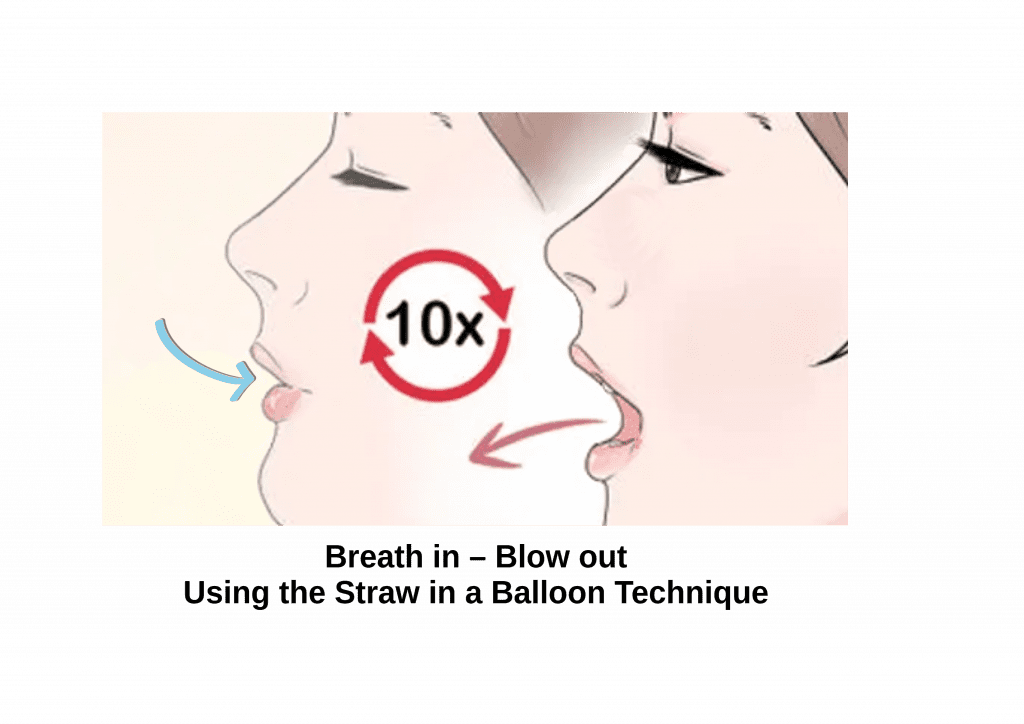
Exhale: Release the air with a steady, even blowing out. The expel of air should be consistent in volume and pressure from start to finish.
Goal: Time yourself. A beginner should aim for 15-20 seconds. Advanced singers should aim for 40-60 seconds. Stop if you feel light headed. With practice that fades. Hold each breath for three seconds and when blowing out, imagine you are holding a note while singing.
2. The Panting Exercise (Diaphragm Agility)
This exercise strengthens the diaphragm’s ability to move quickly and independently of the chest.
Action: Stand with your hands on your upper hips. Pant quickly and shallowly like a dog on a hot day, using the syllable ‘Ha-Ha-Ha-Ha.’
Focus: The movement should be a sharp, in-and-out motion of the abdominal wall and lower ribs. The chest should remain still.
Goal: Perform 20-30 quick pants, ensuring the movement is controlled by the diaphragm, not the throat.
Part 4: Best Practices for Vocal Health
To maintain a healthy and responsive vocal instrument, always adhere to these best practices:
| Practice | Description | Why it Matters for Singers |
| Posture | Stand tall with feet shoulder-width apart, shoulders relaxed and down and head balanced. | Good posture allows the diaphragm and lungs to function at maximum capacity, directly supporting the Appoggio technique. |
| Hydration | Drink plenty of water throughout the day. | Vocal cords vibrate best when they are well-lubricated. Hydration is the most critical factor in preventing vocal strain. |
| Silent Inhale | Practice inhaling quickly and silently, as if sucking and sipping the air. | A noisy, gasping inhale creates tension in the throat and is distracting during performance. |
| Avoid Over-Singing | Never push your voice past its comfortable limits, especially when practicing high notes. | Pushing with the throat instead of the breath leads to vocal fatigue, hoarseness and potential long-term damage. |
By consistently practicing diaphragmatic breathing and the Appoggio technique, you will unlock a new level of power, control and freedom in your singing voice.