
How to Stand for Better Singing Posture
Effective posture is not about looking correct. It is about allowing the voice to work without interference. Many vocal issues that appear to be technical or breath-related are actually posture problems in disguise. A balanced posture means far less effort and more reliability. Thus, clearer freer phonation.
So, effective posture is a dynamic, balanced state of readiness that allows the body to move freely and efficiently in support of the voice. The right stance for the right sound, as a vocalist, is part of the profound internal mechanism that dictates your breath capacity, resonance and the overall health of your vocal instrument.

This lesson will show you how posture directly affects sound and how subtle, often surprising and overlooked adjustments, can transform vocal quality while protecting long-term vocal health. Promoting vocal freedom and a richer sound.
1. Posture and the Voice: The Real Connection
Your breath powers your phonation. Your body controls your breath. Breathing patterns become disrupted if posture collapses or becomes rigid, . The journey to a powerful sound begins not in the throat, but in the connection between your body and the ground. So let’s start from the feet upwards.
The Surprising Role of the Feet and Grounding
The Power of the Tripod Foot
The way you distribute your weight on your feet directly influences the stability of your core, which is the engine of your breath support.
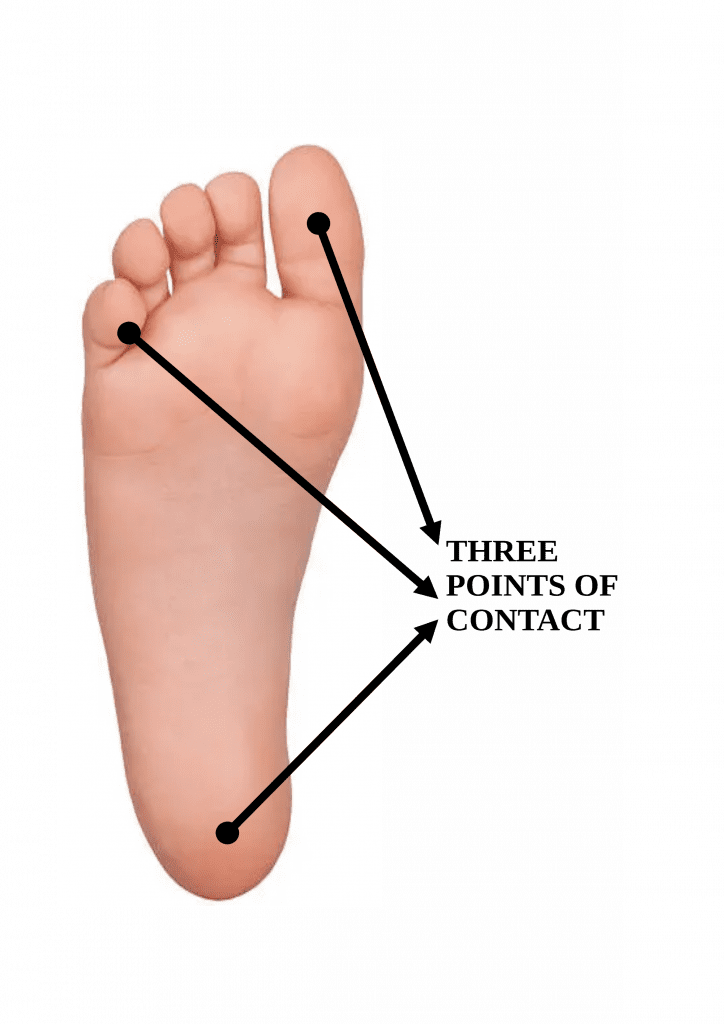
The Three Points of Contact: Imagine a tripod under each foot, with contact points at the base of the big toe, the base of the little toe and the centre of the heel.
- When your weight is evenly distributed across these three points, your arches are naturally engaged and your ankles and knees are aligned.
- The Unlocked Knee: A surprising source of vocal tension is the locked knee. When the knees are locked, the pelvis tilts, the lower back arches and the entire torso becomes rigid. This rigidity actually affect the fluidity of your voice. By keeping your knees soft, slightly bent or unlocked, you allow the pelvis to remain neutral and the breath mechanism to operate freely to project your sound. Try it. Sing a song with a high note. As you hit the high not, unlock or bend your knees. It becomes more effortless. Now you know why your favourite professional singers do that.
- The Weight Shift Exercise: To feel the three points of contact dynamic balance, try shifting your weight slowly from the balls of your feet to your heels and then side-to-side. Find the central point where you feel most stable and least effort is required to stand. This is your optimal stance for singing.
Effective posture allows:
- Natural, responsive breathing
- Reduced throat and jaw tension
- Improved resonance and tone
- Greater vocal stamina
Good posture is not stiff or held. It is alive, flexible and responsive.
2. Why ‘Good Posture’ Often Causes Problems
Many people are taught to pull their shoulders back, lift the chest, and lock the body upright. While this may look confident, it often creates unnecessary tension.
Surprisingly, forcing posture can restrict the ribs, limit breath flow and disconnect the body from the ground.
Instead of holding posture, aim to allow alignment.
3. Building Posture from the Ground Up
Effective posture starts at the feet.
- Stand with your feet about hip-width apart
- Allow your weight to be evenly distributed
- Keep the knees soft and unlocked
From here, let the pelvis rest in a neutral position – not tipped forward and not tucked under. This creates space for natural breath movement.
The ribcage should feel buoyant rather than lifted and the spine lengthened without effort.
Imagine the head gently floating above the spine, rather than being held in place.
Secret Tip
Now, ever so slightly, lean your spine backwards.
Why?
Stand and sing the first verse of your favourite song. Then, lay flat on you back and sing your favourite song. Notice how effortless it is now?
4. Releasing Hidden Tension
Poor posture often hides tension in the shoulders, neck and jaw.
Rather than forcing these areas to relax, allow posture to do the work:
- Let the arms hang freely
- Allow the shoulders to settle
- Release the jaw without effort
When posture is balanced, tension releases automatically.
5. Posture as Vocal Protection
We showed you that Effective Posture reduces vocal effort. Less effort means less strain on the vocal folds and greater consistency over time.
By removing physical obstacles, you allow your voice to function as it was designed to – freely, efficiently, and safely.
Effective Posture Checklist for Vocalists
This checklist focuses on the dynamic, subtle elements of effective posture that lead to optimal sound.
| Body Area | Effective Stance Principle | Why It Works (The Surprising Result) |
| Feet | Weight evenly distributed across the ‘tripod’ points. | Creates a stable, grounded foundation that prevents core rigidity. |
| Knees | Soft, unlocked and flexible. | Prevents tension that robs you of your correct phonation. |
| Arms | Hanging loosely and aiding the songs expression. | Clenched fists, folded or rigid arms, reflects in the phonation. Expressive confident arms work. |
| Pelvis | Neutral and balanced. | Provides a stable anchor for the abdominal muscles of breath support. |
| Spine | Elongated, not arched or rigid. | Creates maximum vertical space for the vocal tract and breath capacity. |
| Shoulders | Relaxed and hanging heavy. | Releases tension from the neck and throat, freeing the larynx. |
| Head | Balanced and floating on top of the spine. | Optimises the length of the vocal tract for maximum resonance. |
| Jaw | Loose, heavy, and unhinged. | Removes the primary obstacle to a full, rich, and open sound. |
By focusing on these points of release and dynamic balance, you will find that the ‘right stance’ is not a fixed pose, but a state of effortless readiness that allows your voice to resonate with its full, natural power.
Secret Tip
Stand correctly, as we have taught you. Now, begin singing the first verse of a song. As you sing, first tilt your head upwards without stopping your song. Then tilt your head towards your chin without stopping the song.
Notice how your sound drastically changes when the head and spine is not aligned.
Key Insight
You do not create better sound by pushing harder.
You create better sound by standing in a way that allows the voice to work naturally.
Posture is not separate from singing or speaking – it is part of your instrument.