Vocal Techniques

This category explores the essential principles of Vocal Techniques. Focusing on the delicate balance between physical coordination and artistic expression. As essentially, mastering the mechanics of singing requires a deep understanding of how your body functions as a musical instrument.
By refining your technical foundation, you can develop a voice that is powerful, resonant and sustainable for long-term performance.
Effective singing is built upon the coordination of several physical systems. First, you must establish proper breath support, which serves as the engine for your sound. Next, you will learn to manage vocal resonance and placement to achieve a clear and professional tone. Finally, we address the importance of vocal agility and pitch accuracy, ensuring that your physical movements align perfectly with your musical intentions.
Whether you are a beginner learning the basics or an advanced vocalist looking to polish your skills, these resources provide practical insights into the physical coordination needed for elite singing.
Explore our detailed guides to understanding  your full vocal potential and how to build a technique that supports your unique artistic voice.
The Intersection of Acting and Singing
Performance & Artistry, Vocal Techniques

The Intersection of Acting and Singing

The Intersection of Acting and Singing: Bringing Characters to Life Singing is not just about vocal technique; it’s also an expressive art form that often requires the skills of an actor. The intersection of acting and singing is crucial for bringing characters to life. Especially in musical theatre and performance. Here are some key ways to blend these two disciplines effectively: 1. Understand the Character: Before you sing, immerse yourself in the character you are portraying. Analyse their background, motivations and emotions. Understanding who they are will inform how you deliver the song, allowing you to convey their feelings authentically. 2. Use Body Language: Just as actors use body language to express emotions, singers should do the same. Your posture, gestures and facial expressions can enhance the storytelling aspect of your performance. Practice moving naturally while singing to create a more engaging experience for your audience. 3. Emotional Connection: Connect emotionally with the lyrics. Think about your own experiences that resonate with the song’s message. This personal connection will help you deliver a more heartfelt performance, making it easier for the audience to relate to the character. 4. Vocal Techniques for Acting: Incorporate acting techniques into your singing practice. Experiment with different vocal dynamics, such as volume and tone, to reflect the character’s emotions. For instance, a character in distress may sing softly and with a shaky tone, while a triumphant character may project powerfully. 5. Practice Scene Work: Combine singing with acting exercises. Work on scenes that require you to sing while interacting with other characters. This practice will help you develop the ability to switch between singing and acting seamlessly, enhancing your overall performance. By integrating acting techniques into your singing, you can create a more compelling and immersive experience for your audience. Remember, the goal is to not only sing the notes but to tell a story that resonates emotionally. Embrace the art of performance, and let your characters come to life!

The Singer's Mindset, Vocal Techniques

The Role of Emotion in Singing

The Role of Emotion in Singing: Conveying Feelings Through Your Voice Singing is not just about hitting the right notes; it’s an art form that deeply connects with emotion. The ability to convey feelings through your voice can transform a simple melody into a powerful experience. For both the singer and the audience. How emotion plays a crucial role in singing and tips on how to harness it effectively: 1. Understanding Emotion: Every song tells a story and understanding the emotional context of the lyrics is essential. Whether it’s joy, sadness, anger, or nostalgia, identifying the core emotion of a piece allows you to connect more authentically with the material. Take time to analyse the lyrics. Then, reflect on your personal experiences related to the song. 2. Vocal Techniques: Your voice is an instrument capable of expressing a wide range of emotions. Techniques, such as dynamics, breath control and phrasing can enhance emotional delivery. For instance, softer dynamics can convey vulnerability. While powerful crescendos can express passion and intensity. Experiment with these techniques to find what resonates with the emotion you want to convey. 3. Body Language: Non-verbal communication is just as important as vocal expression. Your body language, facial expressions and gestures can amplify the emotions you’re trying to convey. Engaging your audience visually can create a more immersive experience. Making them feel the song on a deeper level. 4. Connect with Your Audience: Remember that singing is a shared experience. Establishing a connection with your audience. This can enhance the emotional impact of your performance. Make eye contact, smile, or even share a brief story or about the song to draw them in. In conclusion, emotion is the heartbeat of singing. By understanding and harnessing your feelings, you can create performances that resonate deeply with your audience. Turning each song into a memorable experience. Embrace the power of emotion and let your voice tell the story!

Mastering Breath & Support
Vocal Health & Care, Vocal Techniques

Mastering Breath Control:

The Key to Powerful Singing Mastering Breath Control is the foundation of great singing. Without it, even the most talented vocalists struggle. Is is more difficult to sustain notes, project your voice and maintain vocal stability. Learning to control your breath efficiently can transform your singing. Giving you power, endurance and thus, achieving a more effortless sound. Why Is Breath Control So Important? When you sing, your voice is powered by air. The way you inhale, manage and release this air directly affects your performance. Your tone, volume and ability to sustain long phrases. Proper breath control allows you to sing with greater ease, reducing vocal strain and fatigue. When breath control is mastered, singing feels effortless. VSL How to Improve Breath Control for Singing ✔️ Diaphragmatic Breathing – Unlike shallow chest breathing, diaphragmatic breathing engages your lower lungs, giving you more air support. To practice, place a hand on your stomach and inhale deeply—your stomach should expand, not your chest. 🎤 Controlled Exhalation – Singing requires steady airflow. Try exhaling on a ‘sss’ sound for as long as possible. This helps regulate breath release for better phrasing. We teach you this in your Diction for singing and Speaking Skills Lesson. ✔️ Support, Not Force – Many singers push too much air, causing strain. Instead, focus on steady airflow and let your vocal cords naturally regulate the pressure. 🎤 Silent Inhalation – If you hear a loud gasp when breathing in, it means tension is present. Inhale silently through your nose or with a relaxed open mouth for efficiency. We also teach you how to silently snatch breaths. Unlock Your Vocal Power You’ll notice stronger high notes, longer phrases and greater vocal stability, when breathing correctly. Ready to take your singing to the next level? Book a lesson today and discover the full potential of Mastering Breath Control!

Finding Your Natural Resonance
Vocal Techniques

The Science of Vocal Resonance

Understanding Your Voice’s Unique Sound The Science of Vocal Resonance: Understanding Your Voice’s Unique Sound. Have you ever wondered why no two voices sound exactly alike? The answer lies in vocal resonance—the way sound waves vibrate and amplify within your vocal tract. Resonance is what gives your voice its depth, warmth and unique character, shaping how others perceive your tone and expression. What Is Vocal Resonance? When you sing or speak, your vocal cords produce sound waves. These waves travel through your throat, mouth and nasal cavities, where they are shaped and enhanced. This process creates resonance, much like how the body of a guitar amplifies the sound of its strings. Different singers have different natural resonances, which is why some voices sound bright and piercing while others are deep and velvety. Understanding and controlling your resonance can help you improve tone quality, projection and vocal power. Types of Vocal Resonance Your voice resonates in several key areas:Chest Resonance – Produces a deep, warm sound, often used for lower notes.Head Resonance – Creates a light, airy tone, ideal for high notes.Mixed Resonance – A blend of chest and head resonance, crucial for balanced singing. How to Improve Your Vocal Resonance 🎤 Proper Breath Support – Controlled breathing strengthens resonance.✔️ Open Throat Technique – Relaxing your throat allows for richer tone.🎤 Experiment with Placement – Adjusting resonance areas refines vocal colour. Mastering The Science of Vocal Resonance can transform your singing, making your voice sound fuller and more effortless. Want to refine your resonance? Book a lesson today and unlock your voice’s true potential!

Expand Vocal Range Safely
Vocal Health & Care, Vocal Techniques

How to Expand Your Vocal Range Safely

How to Expand Your Vocal Range Safely Every singer dreams of effortlessly hitting higher or lower notes. Expanding your vocal range can open up new possibilities, but pushing too hard can lead to vocal strain. The key is to train your voice gradually and safely, allowing it to develop strength and flexibility over time. Understanding Your Vocal Range Your voice has natural limits based on your vocal cords’ length and elasticity. However, with the right exercises, you can extend your range both upwards and downwards while maintaining vocal health. Techniques to Expand Your Range ✔️ Relax and Warm Up – Tension restricts movement, making it harder to sing high or low. Start every session with gentle sirens, humming, or lip trills to loosen up your voice. 🎤 Strengthen Your Mixed Voice – Instead of forcing chest voice too high or falsetto too low, practice blending the two for a smoother transition between registers. Try exercises as given in the Breathing Techniques Lesson. ✔️ Use Proper Breath Support – High notes require steady air control, not force. Engage your diaphragm and release air gradually instead of pushing from your throat. 🎤 Gradual Stretching – Avoid straining for extreme notes. Instead, use exercises like the “yawn-sigh” method to gently extend your range over time. ✔️ Consistency is Key – Small, daily improvements will give lasting results. Overworking your voice in one session can cause setbacks. Unlock Your Full Potential With patience and the right techniques, you can safely expand your vocal range and sing with greater freedom. Want expert guidance? Book a lesson today and discover how far your voice can truly go!

Expand Vocal Range Safely
Practice & Habits, Vocal Techniques

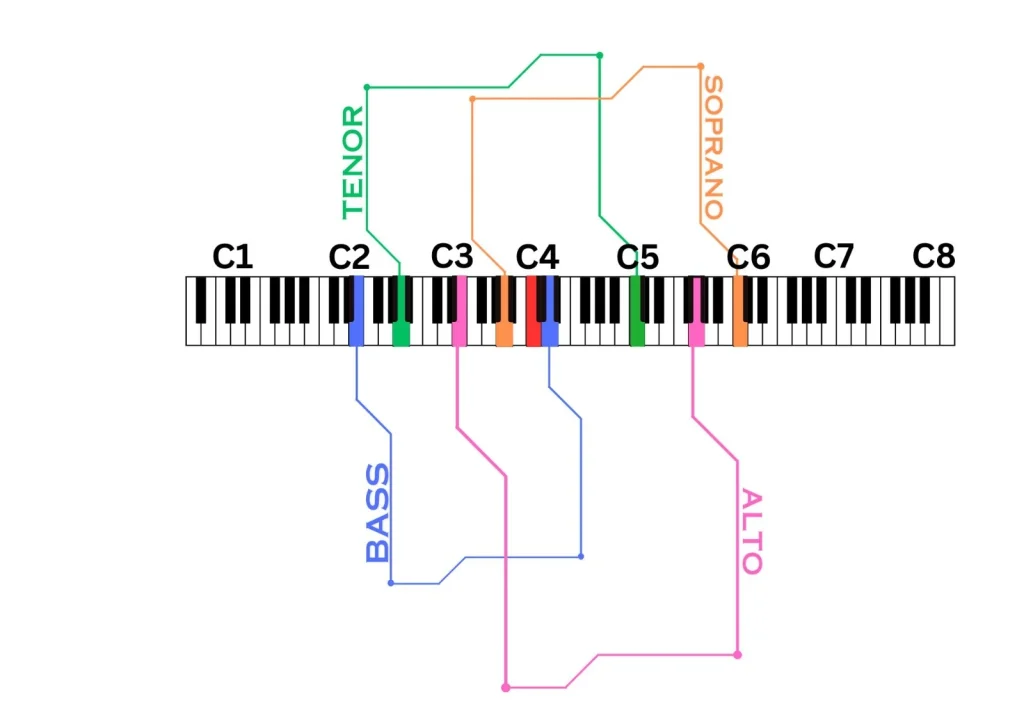
Finding Your Vocal Range

Finding Your Vocal Range: Exercises to Discover Your True Potential Discovering your vocal range is a crucial step for any singer, as it helps you understand the notes you can comfortably sing. It also guides your song selection. Your vocal range is defined by the lowest and highest notes you can sing with ease and control. Here are some effective exercises to help you find and expand your vocal range: (These are just suggestions to achieve your goals. For the professional guided route, please complete the relevant lessons) 1. Warm-Up with Sirens: Start by making siren-like sounds, gliding from your lowest note to your highest note and back down. This exercise helps you explore your entire vocal range without straining your voice. Focus on maintaining a relaxed throat and smooth transitions between notes. 2. Use a Piano or Keyboard: If you have access to a piano, play a note and try to match it with your voice. Start with middle C and gradually move down and up the scale. Take note of the lowest and highest notes you can sing comfortably. This exercise helps you identify your range while developing pitch accuracy. 3. Sing Scales: Practice singing major and minor scales, starting from a comfortable note and gradually moving up and down. For example, sing a C major scale (C-D-E-F-G-A-B-C) and then descend back down. This exercise not only helps you find your range but also improves your vocal agility. 4. Record Yourself: Recording your practice sessions can provide valuable insights. Listen back to identify your comfortable range and any areas where you may struggle. This self-assessment is crucial for understanding your vocal capabilities. 5. Work with a Vocal Coach: A vocal coach such as VSL, can provide personalised guidance and exercises tailored to your unique voice. They can help you identify your range and suggest techniques to expand it safely, through online lessons or face to face. By incorporating these exercises into your practice routine, you can discover your true vocal range and unlock your singing potential. Remember, patience and consistent practice are key to vocal growth!

The Art of Improvisation
Genres & Styles, Performance & Artistry, Vocal Techniques

The Art of Improvisation

The Art of Improvisation: Developing Your Unique Singing Style Improvisation is a vital skill for any singer, allowing you to express your individuality and creativity. Developing your unique singing style through improvisation can enhance your performances and make your music more personal. Here are some effective strategies to help you master the art of improvisation: 1. Listen and Analye: Start by listening to a variety of genres and artists. Pay attention to how they improvise, whether through vocal runs, ad-libs, or emotional phrasing. Analyse what makes their style unique and consider how you can incorporate similar techniques into your own singing. 2. Experiment with Scales: Familiarise yourself with different scales, such as major, minor and pentatonic. Practice improvising melodies using these scales over backing tracks or simple chord progressions. This will help you develop a sense of melody and rhythm while allowing your creativity to flow. 3. Use Call and Response: Engage in call-and-response exercises, either with a backing track or a fellow musician. This technique encourages spontaneity and helps you become more comfortable with improvisation. Start with simple phrases and gradually increase complexity as you gain confidence. 4. Embrace Your Emotions: Allow your feelings to guide your improvisation. Whether you’re happy, sad, or reflective, channeling your emotions into your singing can lead to more authentic and powerful performances. Don’t be afraid to let your voice reflect your inner state. 5. Record and Reflect: Record your improvisational sessions and listen back to them. This practice will help you identify your strengths and areas for improvement. Reflecting on your recordings can also inspire new ideas and techniques for future improvisations. By embracing these strategies, you can develop your unique singing style through improvisation. Remember, the key is to practice regularly and allow your creativity to flourish. VSL will help you through our lessons. The more you explore, the more you’ll discover your authentic voice!

Scroll to Top