Practice & Habits

Consistent progress in singing depends on the quality of your daily routines through Practice & Habits.
This category provides practical strategies for building effective practice habits and setting achievable vocal goals.
We explore structured warm-up sequences and tips for staying motivated during your training.
Success in the studio requires discipline and a clear plan of action. Here, you will find advice on organizing your practice sessions to maximise your growth. By establishing healthy vocal routines, you can turn your musical aspirations into tangible results through steady, focused effort.
DICTION FOR SINGING AND SPEAKING SKILLS
Practice & Habits

The Power of Diction

The Power of Diction: How Pronunciation Affects Your Singing The Power of Diction is a crucial aspect of singing that often goes overlooked. It refers to the clarity and precision with which you pronounce words, and it plays a significant role in how your audience perceives your performance. Here’s why diction matters and how you can improve it to enhance your singing. 1. Clarity of Lyrics: Good diction ensures that your audience can understand the lyrics you are singing. When words are pronounced clearly, the emotional message of the song comes through more effectively. This clarity helps listeners connect with the story you are telling. 2. Vocal Technique: Proper diction is closely tied to vocal technique. When you articulate words correctly, you engage the right muscles in your mouth and throat. Which can improve your overall vocal quality. This engagement helps you project your voice and maintain control over your pitch. 3. Style and Genre: Different musical genres often have specific diction requirements. For example, classical singing emphasizes precise enunciation. While pop music may allow for more relaxed pronunciation. Understanding the stylistic expectations of your genre can help you adapt your diction accordingly. 4. Practice with Tongue Twisters: Incorporating tongue twisters into your warm-up routine can significantly improve your diction. These exercises challenge your articulation and help you develop greater control over your mouth and vocal cords. Try phrases like ‘She sells seashells by the seashore’ to enhance clarity. 5. Record and Analyse: Record yourself singing and listen for areas where your diction may falter. Pay attention to consonants and vowels and identify any words that may be unclear. This self-assessment will help you pinpoint specific areas for improvement. By focusing on diction, you can elevate your singing and ensure that your audience fully grasps the emotions and messages behind your songs. Remember, clear pronunciation is not just about technique; it’s about connecting with your listeners and making your performance memorable.

VSL The Role of Posture
Practice & Habits, Vocal Health & Care

The Role of Posture in Singing:

How to Optimize Your Stance for Better Sound The Role of Posture in Singing is one of the most overlooked yet essential elements in performance. Whether you’re performing on stage or practising at home. The way you hold your body directly influences your vocal quality, breath control and overall performance. Your posture plays a vital role in vocal performance. Standing or sitting incorrectly can restrict airflow, causing strain and limiting vocal power. Proper posture aligns your body for optimal breath support and resonance. To improve your singing posture: Good posture also allows your lungs to expand fully and your diaphragm to move freely. VSL Good posture Good posture allows the diaphragm to expand fully, improving breath control and vocal projection. Practicing in front of a mirror helps reinforce proper alignment, ensuring your voice remains strong and unrestricted. When you slouch or collapse your chest, you restrict airflow and create tension, making it harder to sustain notes or project your voice. By aligning your spine, relaxing your shoulders, and keeping your feet firmly grounded, you create a natural pathway for sound to travel with ease and power. Your Vocal and Body Instrument Aligned Imagine your body as an instrument. If it’s not positioned correctly, it won’t resonate properly. Even seated singers can benefit from upright posture that supports the breath and keeps the core engaged. Additionally, correct posture affects confidence. A poised stance signals presence, control and professionalism. Qualities that impact how an audience perceives your voice. It’s not just about looking good; it’s about feeling centered, connected and ready to sing your best. Learn for Life Whether you’re a beginner or an experienced vocalist, regularly checking and adjusting your posture can lead to noticeable improvements. Consider using mirrors, video recordings, or working with a vocal coach to become more aware of your alignment. In singing, every detail counts. Posture is a powerful, foundational tool that helps unlock your full vocal potential. Book Your Effective Posture Lesson Today!

Vocal Health & Care
Practice & Habits, Vocal Health & Care

Vocal Health 101

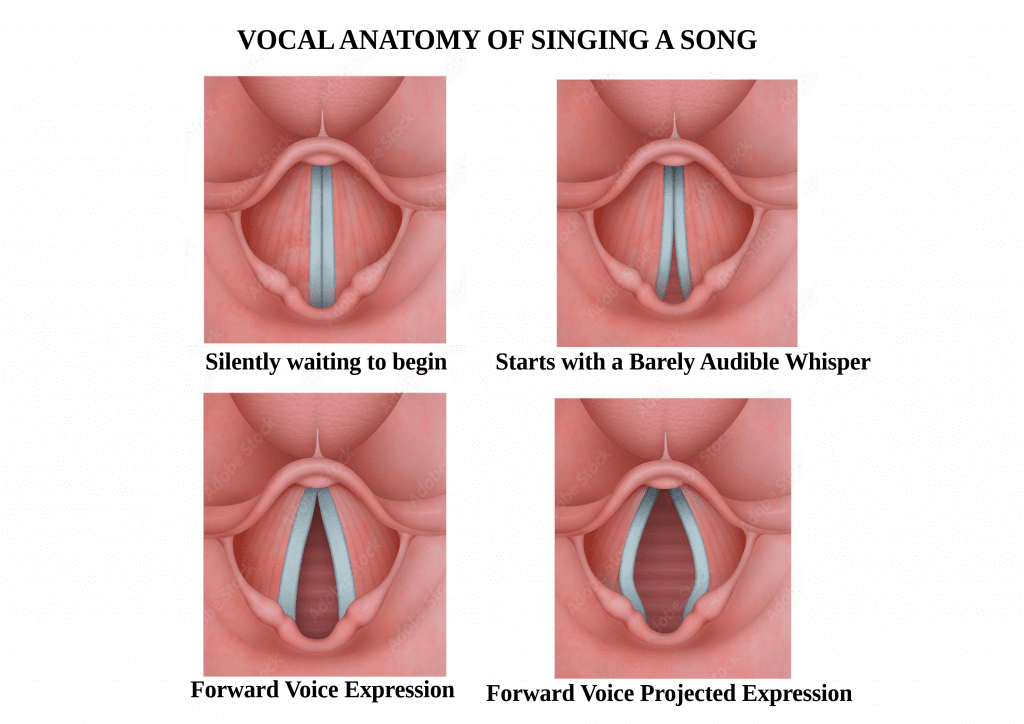
How to Care for Your Voice and Avoid Strain We have put together a Vocal Health 101 for your Vocal Instrument. As keeping it healthy is crucial. Without proper care, vocal fatigue and damage can occur. Vocal Health 101: Essential Tips for Maintaining a Strong, Healthy Voice Maintaining vocal health is key to preserving the power, tone and longevity of your voice. Whether you’re a professional singer, a public speaker, or simply someone who loves to sing in the shower. Just like any other part of your body, your vocal cords require care, attention and the right techniques to keep them in top shape. You may be preparing for a performance, a big presentation, or just want to sing with ease, so following a few simple guidelines can help ensure your voice stays healthy for years to come. What Is Vocal Health? The Anatomy of Your Voice Before we dive into tips for maintaining vocal health, it’s helpful to understand a little about the anatomy involved in voice production. When you use your voice, all of these parts work together. Any imbalance, misuse, or strain can lead to vocal fatigue, hoarseness, or even long-term vocal damage. 1. Hydrate, Hydrate, Hydrate One of the simplest and most effective ways to maintain vocal health is by staying well-hydrated. Just like the rest of your body, your vocal cords need plenty of moisture to function properly. Dry vocal cords can lead to irritation, increased friction and strain, which can ultimately cause damage over time. 2. Warm Up and Cool Down Just like any other muscle group, your vocal cords need a proper warm-up before engaging in intense use, whether you’re singing, speaking, or performing. Warming up allows the muscles around your vocal cords to relax, increases circulation and helps you get the most out of your voice. A proper warm-up and cool-down routine can reduce the risk of vocal fatigue and strain. 3. Use Your Voice Properly Many vocal issues stem from improper vocal technique. Over time, poor habits can lead to vocal strain, hoarseness, or even vocal injury. Whether you’re a singer or someone who speaks often, using your voice in the most efficient and healthy way is crucial. If you’re a singer, working with a voice teacher or coach to develop healthy vocal techniques can help you avoid long-term damage. Proper technique is essential for maximizing vocal power while reducing the risk of injury. 4. Avoid Irritants and Overuse Your vocal cords are very sensitive and certain habits and irritants can cause inflammation or strain. Avoiding these triggers can help keep your voice in tip-top shape. If you find yourself constantly straining or losing your voice, it’s a sign that you need to rest and recover. VSL provides Vocal Health Lessons to rectify this issue. 5. Maintain a Healthy Lifestyle Your overall health plays a significant role in maintaining vocal health. A balanced lifestyle that promotes physical health also supports the function of your voice. Remember that vocal health is part of your overall well-being, and taking care of your body will benefit your voice in the long run. 6. See a Vocal Specialist if Necessary If you’re experiencing persistent hoarseness, pain, or vocal fatigue, it’s important to consult with a specialist. An ENT (Ear, Nose, and Throat) doctor or a speech-language pathologist who specialises in voice can help diagnose any issues and provide targeted treatment or therapy. Regular check-ups are especially important for professional singers or anyone who uses their voice extensively. Early intervention can prevent minor issues from becoming major problems. Conclusion Your voice is a valuable tool that deserves to be cared for. Whether you’re using your voice for singing, speaking, or other forms of communication, maintaining vocal health is essential for optimal performance and avoiding long-term damage. By following these vocal health tips—hydrating, warming up properly, using your voice efficiently, and protecting it from irritants—you can ensure that your voice stays strong, healthy, and ready to take on any performance. Remember, just like any other muscle in your body, your vocal cords need regular care and attention. Prioritize vocal health, and you’ll be able to sing, speak, or perform with ease for years to come.

The Danger of Resting Your Voice for too Long
Practice & Habits, Vocal Health & Care

The Danger of Resting Your Voice for Too Long

The Danger of Resting Your Voice for Too Long: Use it or Lose it for Longevity We’ve all heard the advice to rest your voice when you’re feeling hoarse, tired, or strained. Essentially, giving your vocal cords a break is important. There is however, a fine balance between resting too much and maintaining vocal health. Ironically, resting your voice for too long can be just as detrimental as overusing it. Just like any other muscle group in the body, your vocal cords need regular exercise to stay strong and flexible. Capable of handling the demands you place on them. In this vocal insight, we’ll explore the potential risks of neglecting vocal exercise and why regular practice is essential for the long-term health and longevity of your voice. We’ll also provide some best practices to help you protect your voice and avoid unnecessary strain. The Consequences of Resting Your Voice for Too Long While resting is beneficial for recovery after intense use, prolonged periods of silence or inactivity can lead to a number of vocal issues. Here’s why too much rest might be harmful to your vocal health: 1. Vocal Cord Atrophy Your vocal cords are muscles, and like any muscle, they need regular exercise to maintain their strength, flexibility, and endurance. If you avoid using your voice for extended periods, these muscles can become weak and less responsive. This phenomenon is called vocal cord atrophy. When this happens, your vocal cords may not vibrate as efficiently, leading to a weak, breathy, or strained voice when you try to speak or sing again. Without regular vocal exercise, it can be much harder to produce a powerful and controlled sound and you may even experience more vocal fatigue as your muscles struggle to function properly. 2. Loss of Vocal Range Just as a runner’s endurance will diminish if they stop training, a singer or speaker’s vocal range can shrink if they don’t keep practicing. The flexibility and agility of your vocal cords depend on regular exercise. If you rest your voice for too long, you might find it more difficult to hit high or low notes, or your voice might sound less resonant. Keeping your voice active through gentle exercises helps maintain your range, control and the ability to express different tones, dynamics, also styles. 3. Increased Risk of Injury When You Resume Use When you stop using your voice for an extended period and then suddenly start using it again, your vocal cords can be at greater risk of injury. This is particularly true for singers, speakers, or performers who go from no vocal exercise straight into demanding sessions or performances. Without a proper warm-up, your vocal cords may be more prone to strain, fatigue and even vocal nodules or polyps, which can develop from overexertion after a long period of disuse. It’s important to ease back into vocal activity to prevent sudden strain on your vocal muscles and avoid injury. Why Regular Vocal Exercise is Essential Just like physical exercise for your body, regular vocal exercise strengthens, conditions and maintains the health of your voice. Here’s why it’s vital to integrate consistent vocal exercises into your routine: 1. Improves Vocal Strength and Endurance Regular vocal exercise helps build the strength and endurance of the muscles involved in voice production. The more you practice, the more control you’ll have over your voice, which helps reduce strain and fatigue. Vocal exercises also improve the coordination between your breath, vocal cords and diaphragm, allowing you to sustain long phrases or sing at higher volumes without damage. 2. Enhances Vocal Flexibility Vocal exercises keep the muscles around your vocal cords flexible, enabling them to move more easily and efficiently. Flexibility is essential for singing across different ranges, articulating words clearly and sustaining notes. This flexibility also helps with smooth transitions between registers (chest, head, or mixed voice) and adds to your overall vocal agility. 3. Supports Healthy Breath Control Your breath plays a huge role in vocal health. Proper breath support helps you sing or speak with ease, reducing the risk of vocal fatigue or damage. Regular vocal exercises often incorporate breathing techniques, which improve lung capacity, breath control and support for your vocal cords. Breathwork is essential for achieving both power and control, without straining your voice. 4. Maintains Vocal Cord Function and Tone Quality Just like any muscle in the body, the vocal cords need regular movement to maintain their function and tone quality. Without exercise, the vocal cords may become stiff, causing your voice to sound strained or flat. Regular practice helps your vocal cords vibrate freely, resulting in a smoother, clearer and more resonant voice. Best Practices for Longevity of Your Voice To protect your voice and promote its longevity, it’s essential to incorporate a balanced vocal routine. Here are some best practices to keep your voice healthy: 1. Warm-Up Properly Just as you wouldn’t jump into intense physical activity without warming up, you should never sing or speak without warming up your voice. Start with gentle exercises like humming, lip trills, or sighing. Gradually increase the intensity with scales, sirens, or sustained vowel sounds. A proper warm-up prepares your vocal cords for the demands you’ll place on them and helps prevent strain. 2. Incorporate Daily Vocal Exercise Even if you’re not performing or rehearsing, aim to engage in some form of vocal exercise every day. This doesn’t mean you need to sing for hours on end, but short, gentle exercises (even for just 15-20 minutes a day) can help keep your vocal cords in shape and prevent atrophy. Our Lessons show you how to achieve exercises in just a few minutes a day. Focus on breath control, resonance, pitch accuracy and vocal range to maintain overall vocal health. 3. Rest Your Voice When Needed While it’s important to avoid resting for too long, don’t overlook the importance of rest. Give your vocal cords adequate time to recover if you’ve used your voice intensely. When you feel fatigued or

Expand Vocal Range Safely
Practice & Habits, Vocal Techniques

Finding Your Vocal Range

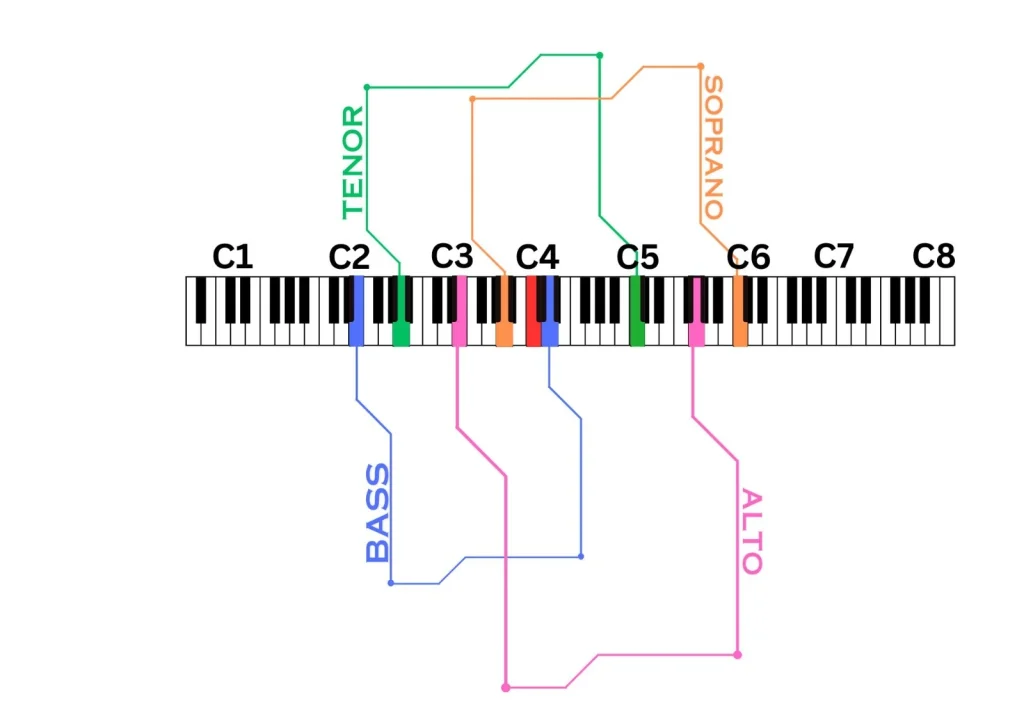
Finding Your Vocal Range: Exercises to Discover Your True Potential Discovering your vocal range is a crucial step for any singer, as it helps you understand the notes you can comfortably sing. It also guides your song selection. Your vocal range is defined by the lowest and highest notes you can sing with ease and control. Here are some effective exercises to help you find and expand your vocal range: (These are just suggestions to achieve your goals. For the professional guided route, please complete the relevant lessons) 1. Warm-Up with Sirens: Start by making siren-like sounds, gliding from your lowest note to your highest note and back down. This exercise helps you explore your entire vocal range without straining your voice. Focus on maintaining a relaxed throat and smooth transitions between notes. 2. Use a Piano or Keyboard: If you have access to a piano, play a note and try to match it with your voice. Start with middle C and gradually move down and up the scale. Take note of the lowest and highest notes you can sing comfortably. This exercise helps you identify your range while developing pitch accuracy. 3. Sing Scales: Practice singing major and minor scales, starting from a comfortable note and gradually moving up and down. For example, sing a C major scale (C-D-E-F-G-A-B-C) and then descend back down. This exercise not only helps you find your range but also improves your vocal agility. 4. Record Yourself: Recording your practice sessions can provide valuable insights. Listen back to identify your comfortable range and any areas where you may struggle. This self-assessment is crucial for understanding your vocal capabilities. 5. Work with a Vocal Coach: A vocal coach such as VSL, can provide personalised guidance and exercises tailored to your unique voice. They can help you identify your range and suggest techniques to expand it safely, through online lessons or face to face. By incorporating these exercises into your practice routine, you can discover your true vocal range and unlock your singing potential. Remember, patience and consistent practice are key to vocal growth!

Scroll to Top