Author name: VSL

Vocal Lessons vs Self Taught
The Singer's Mindset

Vocal Lessons vs Self-Taught

Vocal Lessons vs Self-Taught: Pros and Cons of Each Approach When it comes to developing your singing skills, one of the most significant decisions you’ll face is Vocal Lessons vs Self Taught. Both approaches have their advantages and disadvantages and understanding them can help you make an informed choice that aligns with your goals. Aspect Vocal Lessons Self-Taught Guidance Can include personalised feedback and structured lessons. Freedom to explore at your own pace. Technique Professional insight into vocal techniques. Potential for developing bad habits without correction. Motivation Accountability through scheduled lessons. Requires self-discipline and motivation. Cost Can be expensive, depending on the coach. Generally more affordable, using free resources. Customisation Professional tailored lessons to address specific needs. Flexibility to choose what to learn and when. Networking Opportunities to connect with other musicians. Limited networking unless actively seeking it. Pros of Online Vocal Lessons: Cons of Working with a Vocal Coach: Pros of Self-Taught Singing: Cons of Self-Taught Singing: Ultimately, the choice between a vocal coach and self-teaching depends on your personal learning style, goals, and resources. Many singers find a hybrid approach works best, combining self-study with occasional lessons to refine their skills.

The Influence of Technology
Vocal Technology

The Influence of Technology

The Influence of Technology: How Apps and Equipment Can Enhance Your Singing Practice In today’s digital age, technology has transformed the way singers practice and improve their craft. From mobile apps to advanced recording equipment, the tools available can significantly enhance your singing practice. Here are some ways technology can help you reach your vocal potential. 1. Vocal Training Apps: Numerous apps are designed specifically for singers, offering exercises, warm-ups and vocal coaching. Apps like Smule, Yousician and SingSharp provide interactive lessons and feedback, allowing you to practice at your own pace. These tools can help you develop your pitch, tone and overall vocal technique. 2. Tuning and Pitch Correction: Apps like GarageBand and Auto-Tune can help you analyse your pitch accuracy. By recording your singing and using pitch correction features, you can identify areas for improvement and work on hitting the right notes. This feedback is helpful for developing your ear and vocal control. 3. Recording Equipment: Investing in a good microphone and audio interface can elevate your practice sessions. High-quality recordings allow you to hear your voice more clearly and identify strengths and weaknesses. Additionally, recording your performances can help you track your progress over time. 4. Backing Tracks and Accompaniment: Technology provides access to a vast library of backing tracks and accompaniments. Websites and apps like Karaoke Version and YouTube offer instrumental versions of popular songs, allowing you to practice singing with professional-quality sound. This practice can help you develop your timing and phrasing. 5. Online Vocal Lessons: With the rise of online platforms such as VSL, you can now access vocal lesson from around the world. We connect you with the lessons that address your every situation. This flexibility allows you to learn from the best, regardless of your location. By embracing technology, you can enhance your singing practice and accelerate your vocal development. The right tools and resources can provide valuable feedback, improve your technique and ultimately help you become a more confident and skilled singer.

The Intersection of Acting and Singing
Performance & Artistry, Vocal Techniques

The Intersection of Acting and Singing

The Intersection of Acting and Singing: Bringing Characters to Life Singing is not just about vocal technique; it’s also an expressive art form that often requires the skills of an actor. The intersection of acting and singing is crucial for bringing characters to life. Especially in musical theatre and performance. Here are some key ways to blend these two disciplines effectively: 1. Understand the Character: Before you sing, immerse yourself in the character you are portraying. Analyse their background, motivations and emotions. Understanding who they are will inform how you deliver the song, allowing you to convey their feelings authentically. 2. Use Body Language: Just as actors use body language to express emotions, singers should do the same. Your posture, gestures and facial expressions can enhance the storytelling aspect of your performance. Practice moving naturally while singing to create a more engaging experience for your audience. 3. Emotional Connection: Connect emotionally with the lyrics. Think about your own experiences that resonate with the song’s message. This personal connection will help you deliver a more heartfelt performance, making it easier for the audience to relate to the character. 4. Vocal Techniques for Acting: Incorporate acting techniques into your singing practice. Experiment with different vocal dynamics, such as volume and tone, to reflect the character’s emotions. For instance, a character in distress may sing softly and with a shaky tone, while a triumphant character may project powerfully. 5. Practice Scene Work: Combine singing with acting exercises. Work on scenes that require you to sing while interacting with other characters. This practice will help you develop the ability to switch between singing and acting seamlessly, enhancing your overall performance. By integrating acting techniques into your singing, you can create a more compelling and immersive experience for your audience. Remember, the goal is to not only sing the notes but to tell a story that resonates emotionally. Embrace the art of performance, and let your characters come to life!

The Singer's Mindset, Vocal Techniques

The Role of Emotion in Singing

The Role of Emotion in Singing: Conveying Feelings Through Your Voice Singing is not just about hitting the right notes; it’s an art form that deeply connects with emotion. The ability to convey feelings through your voice can transform a simple melody into a powerful experience. For both the singer and the audience. How emotion plays a crucial role in singing and tips on how to harness it effectively: 1. Understanding Emotion: Every song tells a story and understanding the emotional context of the lyrics is essential. Whether it’s joy, sadness, anger, or nostalgia, identifying the core emotion of a piece allows you to connect more authentically with the material. Take time to analyse the lyrics. Then, reflect on your personal experiences related to the song. 2. Vocal Techniques: Your voice is an instrument capable of expressing a wide range of emotions. Techniques, such as dynamics, breath control and phrasing can enhance emotional delivery. For instance, softer dynamics can convey vulnerability. While powerful crescendos can express passion and intensity. Experiment with these techniques to find what resonates with the emotion you want to convey. 3. Body Language: Non-verbal communication is just as important as vocal expression. Your body language, facial expressions and gestures can amplify the emotions you’re trying to convey. Engaging your audience visually can create a more immersive experience. Making them feel the song on a deeper level. 4. Connect with Your Audience: Remember that singing is a shared experience. Establishing a connection with your audience. This can enhance the emotional impact of your performance. Make eye contact, smile, or even share a brief story or about the song to draw them in. In conclusion, emotion is the heartbeat of singing. By understanding and harnessing your feelings, you can create performances that resonate deeply with your audience. Turning each song into a memorable experience. Embrace the power of emotion and let your voice tell the story!

DICTION FOR SINGING AND SPEAKING SKILLS
Practice & Habits

The Power of Diction

The Power of Diction: How Pronunciation Affects Your Singing The Power of Diction is a crucial aspect of singing that often goes overlooked. It refers to the clarity and precision with which you pronounce words, and it plays a significant role in how your audience perceives your performance. Here’s why diction matters and how you can improve it to enhance your singing. 1. Clarity of Lyrics: Good diction ensures that your audience can understand the lyrics you are singing. When words are pronounced clearly, the emotional message of the song comes through more effectively. This clarity helps listeners connect with the story you are telling. 2. Vocal Technique: Proper diction is closely tied to vocal technique. When you articulate words correctly, you engage the right muscles in your mouth and throat. Which can improve your overall vocal quality. This engagement helps you project your voice and maintain control over your pitch. 3. Style and Genre: Different musical genres often have specific diction requirements. For example, classical singing emphasizes precise enunciation. While pop music may allow for more relaxed pronunciation. Understanding the stylistic expectations of your genre can help you adapt your diction accordingly. 4. Practice with Tongue Twisters: Incorporating tongue twisters into your warm-up routine can significantly improve your diction. These exercises challenge your articulation and help you develop greater control over your mouth and vocal cords. Try phrases like ‘She sells seashells by the seashore’ to enhance clarity. 5. Record and Analyse: Record yourself singing and listen for areas where your diction may falter. Pay attention to consonants and vowels and identify any words that may be unclear. This self-assessment will help you pinpoint specific areas for improvement. By focusing on diction, you can elevate your singing and ensure that your audience fully grasps the emotions and messages behind your songs. Remember, clear pronunciation is not just about technique; it’s about connecting with your listeners and making your performance memorable.

Mastering Breath & Support
Vocal Health & Care, Vocal Techniques

Mastering Breath Control:

The Key to Powerful Singing Mastering Breath Control is the foundation of great singing. Without it, even the most talented vocalists struggle. Is is more difficult to sustain notes, project your voice and maintain vocal stability. Learning to control your breath efficiently can transform your singing. Giving you power, endurance and thus, achieving a more effortless sound. Why Is Breath Control So Important? When you sing, your voice is powered by air. The way you inhale, manage and release this air directly affects your performance. Your tone, volume and ability to sustain long phrases. Proper breath control allows you to sing with greater ease, reducing vocal strain and fatigue. When breath control is mastered, singing feels effortless. VSL How to Improve Breath Control for Singing ✔️ Diaphragmatic Breathing – Unlike shallow chest breathing, diaphragmatic breathing engages your lower lungs, giving you more air support. To practice, place a hand on your stomach and inhale deeply—your stomach should expand, not your chest. 🎤 Controlled Exhalation – Singing requires steady airflow. Try exhaling on a ‘sss’ sound for as long as possible. This helps regulate breath release for better phrasing. We teach you this in your Diction for singing and Speaking Skills Lesson. ✔️ Support, Not Force – Many singers push too much air, causing strain. Instead, focus on steady airflow and let your vocal cords naturally regulate the pressure. 🎤 Silent Inhalation – If you hear a loud gasp when breathing in, it means tension is present. Inhale silently through your nose or with a relaxed open mouth for efficiency. We also teach you how to silently snatch breaths. Unlock Your Vocal Power You’ll notice stronger high notes, longer phrases and greater vocal stability, when breathing correctly. Ready to take your singing to the next level? Book a lesson today and discover the full potential of Mastering Breath Control!

VSL The Role of Posture
Practice & Habits, Vocal Health & Care

The Role of Posture in Singing:

How to Optimize Your Stance for Better Sound The Role of Posture in Singing is one of the most overlooked yet essential elements in performance. Whether you’re performing on stage or practising at home. The way you hold your body directly influences your vocal quality, breath control and overall performance. Your posture plays a vital role in vocal performance. Standing or sitting incorrectly can restrict airflow, causing strain and limiting vocal power. Proper posture aligns your body for optimal breath support and resonance. To improve your singing posture: Good posture also allows your lungs to expand fully and your diaphragm to move freely. VSL Good posture Good posture allows the diaphragm to expand fully, improving breath control and vocal projection. Practicing in front of a mirror helps reinforce proper alignment, ensuring your voice remains strong and unrestricted. When you slouch or collapse your chest, you restrict airflow and create tension, making it harder to sustain notes or project your voice. By aligning your spine, relaxing your shoulders, and keeping your feet firmly grounded, you create a natural pathway for sound to travel with ease and power. Your Vocal and Body Instrument Aligned Imagine your body as an instrument. If it’s not positioned correctly, it won’t resonate properly. Even seated singers can benefit from upright posture that supports the breath and keeps the core engaged. Additionally, correct posture affects confidence. A poised stance signals presence, control and professionalism. Qualities that impact how an audience perceives your voice. It’s not just about looking good; it’s about feeling centered, connected and ready to sing your best. Learn for Life Whether you’re a beginner or an experienced vocalist, regularly checking and adjusting your posture can lead to noticeable improvements. Consider using mirrors, video recordings, or working with a vocal coach to become more aware of your alignment. In singing, every detail counts. Posture is a powerful, foundational tool that helps unlock your full vocal potential. Book Your Effective Posture Lesson Today!

Overcome Stage Fright with VSL
Performance & Artistry

Overcome Stage Fright:

Overcome Stage Fright: Sing with Confidence How to Overcome Stage fright is a question that almost every singer faces at some point in their journey. Whether you’re a beginner or an experienced performer, the nerves that come with standing before an audience can be overwhelming. But the good news is that stage fright doesn’t have to control your performances. With the right mindset and tools, you can overcome your fear and sing with confidence every time you step on stage. Understanding Stage Fright Before diving into the ways to overcome stage fright, it’s important to understand why it happens. Stage fright, or performance anxiety, is a natural response to the fear of judgement or failure in front of others. It’s your body’s fight-or-flight reaction. Triggering physical symptoms like a racing heart, sweaty palms, shallow breathing, or even a dry mouth. It’s the feeling of vulnerability, the pressure to be perfect and the anticipation of the unknown that can make performing feel daunting. However, every performer, no matter how seasoned, experiences some form of nervousness. The trick is learning to manage those nerves and turn them into something productive; Confidence and energy that can elevate your performance Tips for Overcoming Stage Fright and Singing with Confidence Here are some effective strategies you can use to overcome stage fright and sing with confidence: 1. Prepare, Prepare, Prepare The foundation of confidence is solid preparation. The more prepared you are, the less room there is for doubt. Familiarise yourself with every aspect of the performance, from the lyrics and melody to the timing and stage movements. Knowing your material inside and out will reduce anxiety and give you more control during the performance. Rehearse not just in your practice space but also in the environment where you’ll be performing. If possible, visit the stage beforehand to get comfortable with the space and how you’ll move around. Practising in front of a mirror or recording yourself can also help you build confidence in your performance. 2. Practice Relaxation Techniques Learning to relax is one of the most effective ways to combat stage fright. When you’re relaxed, your body isn’t tense, your breath flows more freely, and your voice can project more easily. Some helpful techniques include: 3. Focus on the Music, Not the Audience Instead of thinking about how the audience might perceive you, focus on the music itself. Immerse yourself in the lyrics, melody and emotion of the song. The more you connect with the music, the less you’ll be distracted by nerves. Remember that singing is about expressing yourself and your audience is there to enjoy the sound, not to scrutinise every note you hit. If you find your mind wandering to self-doubt, bring your focus back to the music. A shift in perspective can help you feel more in control and engaged in the moment. 4. Shift Your Focus From Perfection to Expression One of the main sources of stage fright is the fear of making a mistake. But it’s important to remember that nobody expects perfection. Singers are often their own harshest critics, but the reality is that audiences are much more forgiving than we think. Instead of worrying about hitting every note perfectly, focus on expressing the emotion and message of the song. Engaging with the lyrics and connecting with the meaning behind the music. That will help you create a more authentic and powerful performance. The audience will appreciate your expression over perfection. 5. Embrace the Nervous Energy Rather than trying to eliminate nervousness entirely, embrace it as a source of energy. That flutter in your stomach, the quickened heartbeat—those are signs that your body is ready to perform. Nervous energy can translate into enthusiasm and drive. Many seasoned performers use their nerves to fuel their passion, turning anxiety into an exciting buzz. Think of nerves as your body preparing you for a high-energy performance. Channel that energy into your movements, expressions, and voice. With time, you’ll learn to welcome stage fright as part of the performance process, and you’ll find that it doesn’t hold you back. 6. Develop a Pre-Performance Routine Having a pre-performance routine can help calm your nerves and mentally prepare you for the stage. This could include things like: 7. Practising Regularly Builds Confidence The more you perform, the more comfortable and confident you will become. It’s like any other skill—practice makes perfect. Perfecting your performance will gradually build your confidence. Over time, you’ll become more accustomed to the experience of being on stage and your nerves will begin to fade. 8. Accept the Imperfection of Live Performance Live performance is inherently imperfect, and that’s part of its beauty. Mistakes will happen, and that’s okay. The key is how you handle them. If you miss a note or stumble over a lyric, don’t let it derail the entire performance. Keep going, smile, and remember that your audience is there to enjoy the overall experience, not just focus on any one small slip-up. 9. Get Comfortable with Silence Sometimes, stage fright comes from the fear of awkward silences or long pauses. Instead of rushing to fill every moment with sound, learn to become comfortable with quiet moments on stage. Whether it’s taking a brief pause between verses or allowing the music to breathe, silence can enhance your performance. It gives you time to relax, collect your thoughts, and connect with the audience. Conclusion How to Overcome Stage Fright is to see a journey, not a destination. It requires patience, practice and self-compassion. You can build the confidence to sing without fear. By preparing thoroughly, practising relaxation techniques, focusing on the music and your emotional connection with it. Remember, every performer can experience nerves. It’s how you handle them that makes all the difference. Embrace the nerves, trust in your preparation and let the music take the lead. So the next time you’re preparing to sing in front of an audience, take a deep breath, stand tall and let your voice soar. Confidence isn’t about

Vocal Health & Care
Practice & Habits, Vocal Health & Care

Vocal Health 101

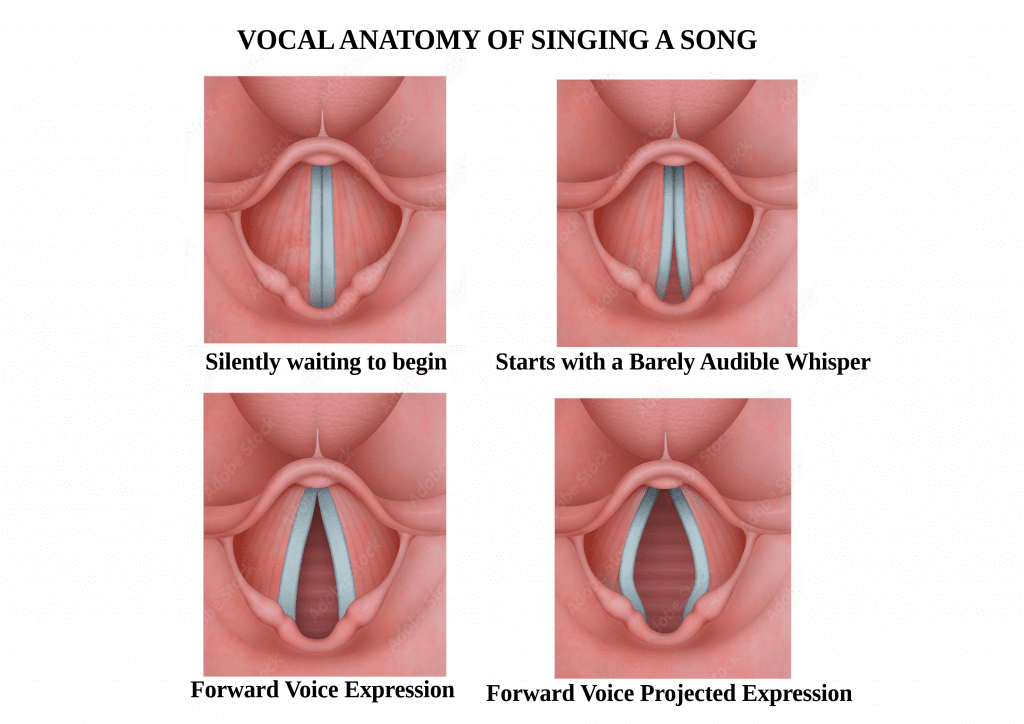
How to Care for Your Voice and Avoid Strain We have put together a Vocal Health 101 for your Vocal Instrument. As keeping it healthy is crucial. Without proper care, vocal fatigue and damage can occur. Vocal Health 101: Essential Tips for Maintaining a Strong, Healthy Voice Maintaining vocal health is key to preserving the power, tone and longevity of your voice. Whether you’re a professional singer, a public speaker, or simply someone who loves to sing in the shower. Just like any other part of your body, your vocal cords require care, attention and the right techniques to keep them in top shape. You may be preparing for a performance, a big presentation, or just want to sing with ease, so following a few simple guidelines can help ensure your voice stays healthy for years to come. What Is Vocal Health? The Anatomy of Your Voice Before we dive into tips for maintaining vocal health, it’s helpful to understand a little about the anatomy involved in voice production. When you use your voice, all of these parts work together. Any imbalance, misuse, or strain can lead to vocal fatigue, hoarseness, or even long-term vocal damage. 1. Hydrate, Hydrate, Hydrate One of the simplest and most effective ways to maintain vocal health is by staying well-hydrated. Just like the rest of your body, your vocal cords need plenty of moisture to function properly. Dry vocal cords can lead to irritation, increased friction and strain, which can ultimately cause damage over time. 2. Warm Up and Cool Down Just like any other muscle group, your vocal cords need a proper warm-up before engaging in intense use, whether you’re singing, speaking, or performing. Warming up allows the muscles around your vocal cords to relax, increases circulation and helps you get the most out of your voice. A proper warm-up and cool-down routine can reduce the risk of vocal fatigue and strain. 3. Use Your Voice Properly Many vocal issues stem from improper vocal technique. Over time, poor habits can lead to vocal strain, hoarseness, or even vocal injury. Whether you’re a singer or someone who speaks often, using your voice in the most efficient and healthy way is crucial. If you’re a singer, working with a voice teacher or coach to develop healthy vocal techniques can help you avoid long-term damage. Proper technique is essential for maximizing vocal power while reducing the risk of injury. 4. Avoid Irritants and Overuse Your vocal cords are very sensitive and certain habits and irritants can cause inflammation or strain. Avoiding these triggers can help keep your voice in tip-top shape. If you find yourself constantly straining or losing your voice, it’s a sign that you need to rest and recover. VSL provides Vocal Health Lessons to rectify this issue. 5. Maintain a Healthy Lifestyle Your overall health plays a significant role in maintaining vocal health. A balanced lifestyle that promotes physical health also supports the function of your voice. Remember that vocal health is part of your overall well-being, and taking care of your body will benefit your voice in the long run. 6. See a Vocal Specialist if Necessary If you’re experiencing persistent hoarseness, pain, or vocal fatigue, it’s important to consult with a specialist. An ENT (Ear, Nose, and Throat) doctor or a speech-language pathologist who specialises in voice can help diagnose any issues and provide targeted treatment or therapy. Regular check-ups are especially important for professional singers or anyone who uses their voice extensively. Early intervention can prevent minor issues from becoming major problems. Conclusion Your voice is a valuable tool that deserves to be cared for. Whether you’re using your voice for singing, speaking, or other forms of communication, maintaining vocal health is essential for optimal performance and avoiding long-term damage. By following these vocal health tips—hydrating, warming up properly, using your voice efficiently, and protecting it from irritants—you can ensure that your voice stays strong, healthy, and ready to take on any performance. Remember, just like any other muscle in your body, your vocal cords need regular care and attention. Prioritize vocal health, and you’ll be able to sing, speak, or perform with ease for years to come.

Finding Your Natural Resonance
Vocal Techniques

The Science of Vocal Resonance

Understanding Your Voice’s Unique Sound The Science of Vocal Resonance: Understanding Your Voice’s Unique Sound. Have you ever wondered why no two voices sound exactly alike? The answer lies in vocal resonance—the way sound waves vibrate and amplify within your vocal tract. Resonance is what gives your voice its depth, warmth and unique character, shaping how others perceive your tone and expression. What Is Vocal Resonance? When you sing or speak, your vocal cords produce sound waves. These waves travel through your throat, mouth and nasal cavities, where they are shaped and enhanced. This process creates resonance, much like how the body of a guitar amplifies the sound of its strings. Different singers have different natural resonances, which is why some voices sound bright and piercing while others are deep and velvety. Understanding and controlling your resonance can help you improve tone quality, projection and vocal power. Types of Vocal Resonance Your voice resonates in several key areas:Chest Resonance – Produces a deep, warm sound, often used for lower notes.Head Resonance – Creates a light, airy tone, ideal for high notes.Mixed Resonance – A blend of chest and head resonance, crucial for balanced singing. How to Improve Your Vocal Resonance 🎤 Proper Breath Support – Controlled breathing strengthens resonance.✔️ Open Throat Technique – Relaxing your throat allows for richer tone.🎤 Experiment with Placement – Adjusting resonance areas refines vocal colour. Mastering The Science of Vocal Resonance can transform your singing, making your voice sound fuller and more effortless. Want to refine your resonance? Book a lesson today and unlock your voice’s true potential!

Scroll to Top