
How to Care for Your Voice and Avoid Strain
We have put together a Vocal Health 101 for your Vocal Instrument. As keeping it healthy is crucial. Without proper care, vocal fatigue and damage can occur.
Vocal Health 101: Essential Tips for Maintaining a Strong, Healthy Voice
Maintaining vocal health is key to preserving the power, tone and longevity of your voice. Whether you’re a professional singer, a public speaker, or simply someone who loves to sing in the shower. Just like any other part of your body, your vocal cords require care, attention and the right techniques to keep them in top shape. You may be preparing for a performance, a big presentation, or just want to sing with ease, so following a few simple guidelines can help ensure your voice stays healthy for years to come.
What Is Vocal Health?
- Vocal health refers to the proper functioning of your vocal cords (also called vocal folds), throat and the entire voice production system. It’s not just about keeping your voice from getting hoarse—it’s about using your voice in a way that minimizes strain, supports long-term vocal function and prevents injury. Good vocal health allows you to speak or sing clearly, comfortably and effectively. All without damaging the delicate structures that make up your voice.
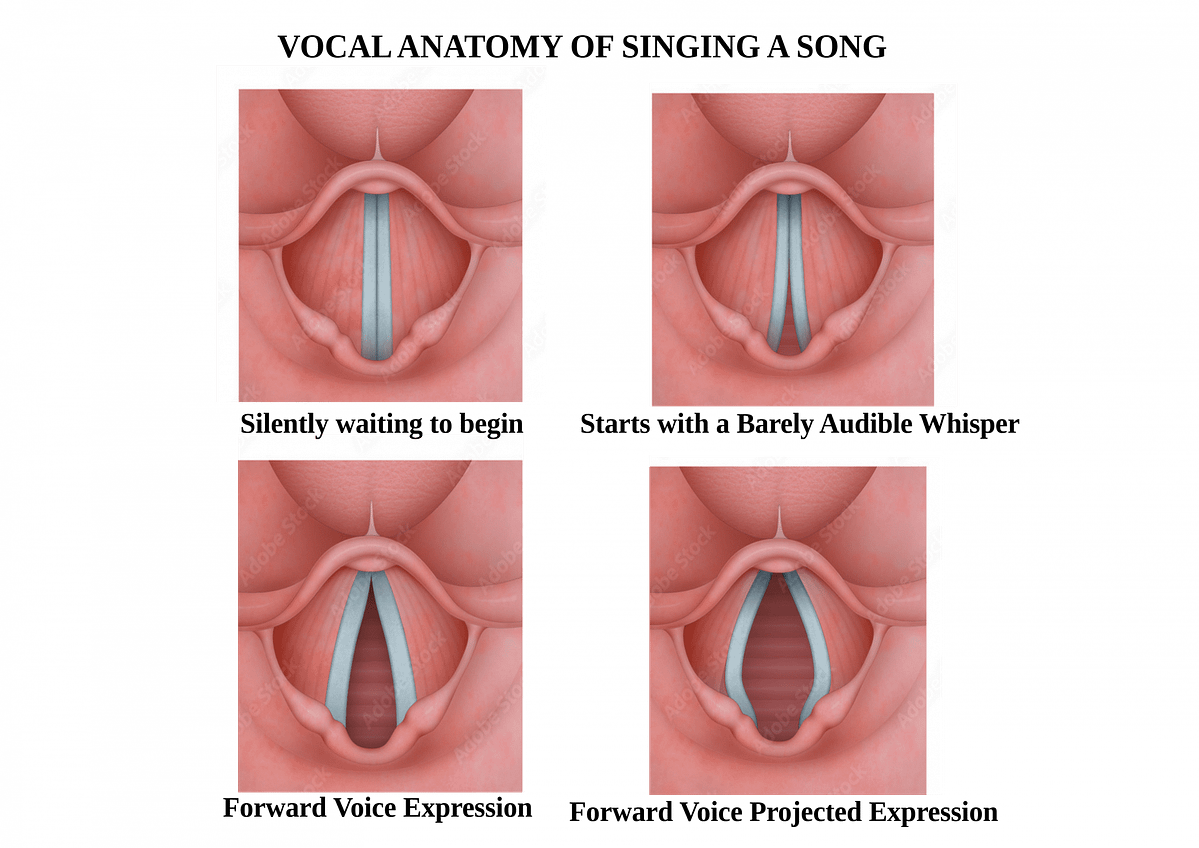
The Anatomy of Your Voice
Before we dive into tips for maintaining vocal health, it’s helpful to understand a little about the anatomy involved in voice production.
- Vocal Cords/Folds: These are the muscular folds located in your larynx (voice box). When air from the lungs passes through them, they vibrate to create sound.
- Lungs: Provide the necessary airflow for vocal cord vibration.
- Diaphragm: The muscle that helps control your breath and supports efficient airflow to your vocal cords. This is hugely important and we will be looking more closely in our Anatomy of Voice articles.
- Throat and Mouth: Serve as the resonating chambers for your voice, shaping the sound as it travels through.
When you use your voice, all of these parts work together. Any imbalance, misuse, or strain can lead to vocal fatigue, hoarseness, or even long-term vocal damage.
1. Hydrate, Hydrate, Hydrate
One of the simplest and most effective ways to maintain vocal health is by staying well-hydrated. Just like the rest of your body, your vocal cords need plenty of moisture to function properly. Dry vocal cords can lead to irritation, increased friction and strain, which can ultimately cause damage over time.
- Drink plenty of water throughout the day to keep your vocal cords hydrated. Aim for at least 8 cups a day, more if you’re singing or speaking for long periods. Add lemon to warm water for an excellent way to rid your system of mucus.
- Avoid caffeinated and alcoholic beverages in excess, as they can dehydrate your body.
- Use a humidifier in dry environments, especially during colder months when indoor heating systems can dry out the air.
- Herbal teas like chamomile or ginger tea can be soothing for your vocal cords, but avoid very hot drinks as they can irritate your throat.
2. Warm Up and Cool Down
Just like any other muscle group, your vocal cords need a proper warm-up before engaging in intense use, whether you’re singing, speaking, or performing. Warming up allows the muscles around your vocal cords to relax, increases circulation and helps you get the most out of your voice.
- Start with gentle humming or lip trills (blowing air through closed lips while making a sound) to loosen up the voice.
- Gradually move into scales or sirens (gliding from low to high notes) to warm up the full range of your voice.
- End with a cool-down if you’ve been using your voice intensely. Light humming or soft vocal exercises can help ease the tension in your vocal cords after a performance.
A proper warm-up and cool-down routine can reduce the risk of vocal fatigue and strain.
3. Use Your Voice Properly
Many vocal issues stem from improper vocal technique. Over time, poor habits can lead to vocal strain, hoarseness, or even vocal injury. Whether you’re a singer or someone who speaks often, using your voice in the most efficient and healthy way is crucial.
- Avoid straining or uncontrolled shouting—excessive force can damage your vocal cords.
- Use proper breath support: Engage your diaphragm to support your voice, rather than relying solely on your throat or chest.
- Speak or sing at a comfortable pitch: Avoid straining your voice by trying to speak or sing too high or too low for your natural range.
- Take breaks: If you’re speaking or singing for long periods, give your voice regular rests to avoid fatigue.
If you’re a singer, working with a voice teacher or coach to develop healthy vocal techniques can help you avoid long-term damage. Proper technique is essential for maximizing vocal power while reducing the risk of injury.
4. Avoid Irritants and Overuse
Your vocal cords are very sensitive and certain habits and irritants can cause inflammation or strain. Avoiding these triggers can help keep your voice in tip-top shape.
- Don’t smoke or expose yourself to second-hand smoke: Smoking dries out and irritates the vocal cords, making it harder for them to function properly.
- Avoid throat clearing: Constantly clearing your throat can irritate the vocal cords and lead to damage. Instead, try swallowing or sipping water to soothe an irritated throat.
- Limit excessive coughing: Just like throat clearing, frequent coughing can put strain on your vocal cords. If you have a cough, stay hydrated and try to keep your throat moist.
- Rest your voice when necessary: Overusing your voice, whether through speaking, singing, or shouting, can lead to vocal strain. If you feel your voice starting to tire, take a break.
If you find yourself constantly straining or losing your voice, it’s a sign that you need to rest and recover. VSL provides Vocal Health Lessons to rectify this issue.
5. Maintain a Healthy Lifestyle
Your overall health plays a significant role in maintaining vocal health. A balanced lifestyle that promotes physical health also supports the function of your voice.
- Get enough sleep: Rest is essential for your body to recover, including your vocal cords.
- Eat a balanced diet: Proper nutrition ensures that your body has the energy it needs to support vocal function. Avoid foods that cause acid reflux (like spicy or fatty foods) as reflux can irritate the vocal cords.
- Exercise regularly: Physical activity improves circulation and helps your body function more efficiently, including the muscles involved in voice production.
Remember that vocal health is part of your overall well-being, and taking care of your body will benefit your voice in the long run.
6. See a Vocal Specialist if Necessary
If you’re experiencing persistent hoarseness, pain, or vocal fatigue, it’s important to consult with a specialist. An ENT (Ear, Nose, and Throat) doctor or a speech-language pathologist who specialises in voice can help diagnose any issues and provide targeted treatment or therapy.
Regular check-ups are especially important for professional singers or anyone who uses their voice extensively. Early intervention can prevent minor issues from becoming major problems.
Conclusion
Your voice is a valuable tool that deserves to be cared for. Whether you’re using your voice for singing, speaking, or other forms of communication, maintaining vocal health is essential for optimal performance and avoiding long-term damage. By following these vocal health tips—hydrating, warming up properly, using your voice efficiently, and protecting it from irritants—you can ensure that your voice stays strong, healthy, and ready to take on any performance.
Remember, just like any other muscle in your body, your vocal cords need regular care and attention. Prioritize vocal health, and you’ll be able to sing, speak, or perform with ease for years to come.