Understanding Your Voice’s Unique Sound
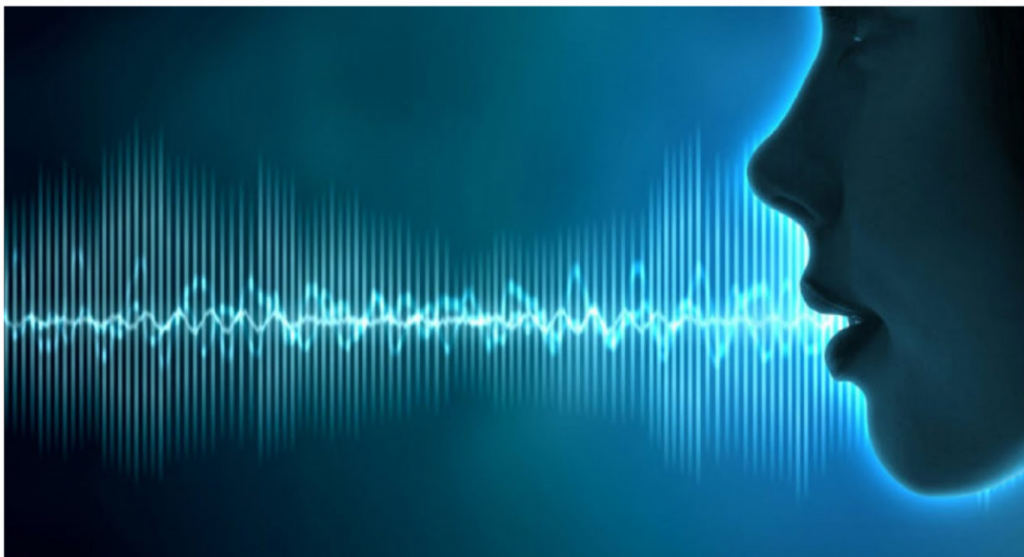
The Science of Vocal Resonance: Understanding Your Voice’s Unique Sound. Have you ever wondered why no two voices sound exactly alike? The answer lies in vocal resonance—the way sound waves vibrate and amplify within your vocal tract. Resonance is what gives your voice its depth, warmth and unique character, shaping how others perceive your tone and expression.
What Is Vocal Resonance?
When you sing or speak, your vocal cords produce sound waves. These waves travel through your throat, mouth and nasal cavities, where they are shaped and enhanced. This process creates resonance, much like how the body of a guitar amplifies the sound of its strings.
Different singers have different natural resonances, which is why some voices sound bright and piercing while others are deep and velvety. Understanding and controlling your resonance can help you improve tone quality, projection and vocal power.
Types of Vocal Resonance
Your voice resonates in several key areas:
Chest Resonance – Produces a deep, warm sound, often used for lower notes.
Head Resonance – Creates a light, airy tone, ideal for high notes.
Mixed Resonance – A blend of chest and head resonance, crucial for balanced singing.
How to Improve Your Vocal Resonance
🎤 Proper Breath Support – Controlled breathing strengthens resonance.
✔️ Open Throat Technique – Relaxing your throat allows for richer tone.
🎤 Experiment with Placement – Adjusting resonance areas refines vocal colour.
Mastering The Science of Vocal Resonance can transform your singing, making your voice sound fuller and more effortless. Want to refine your resonance?
Book a lesson today and unlock your voice’s true potential!