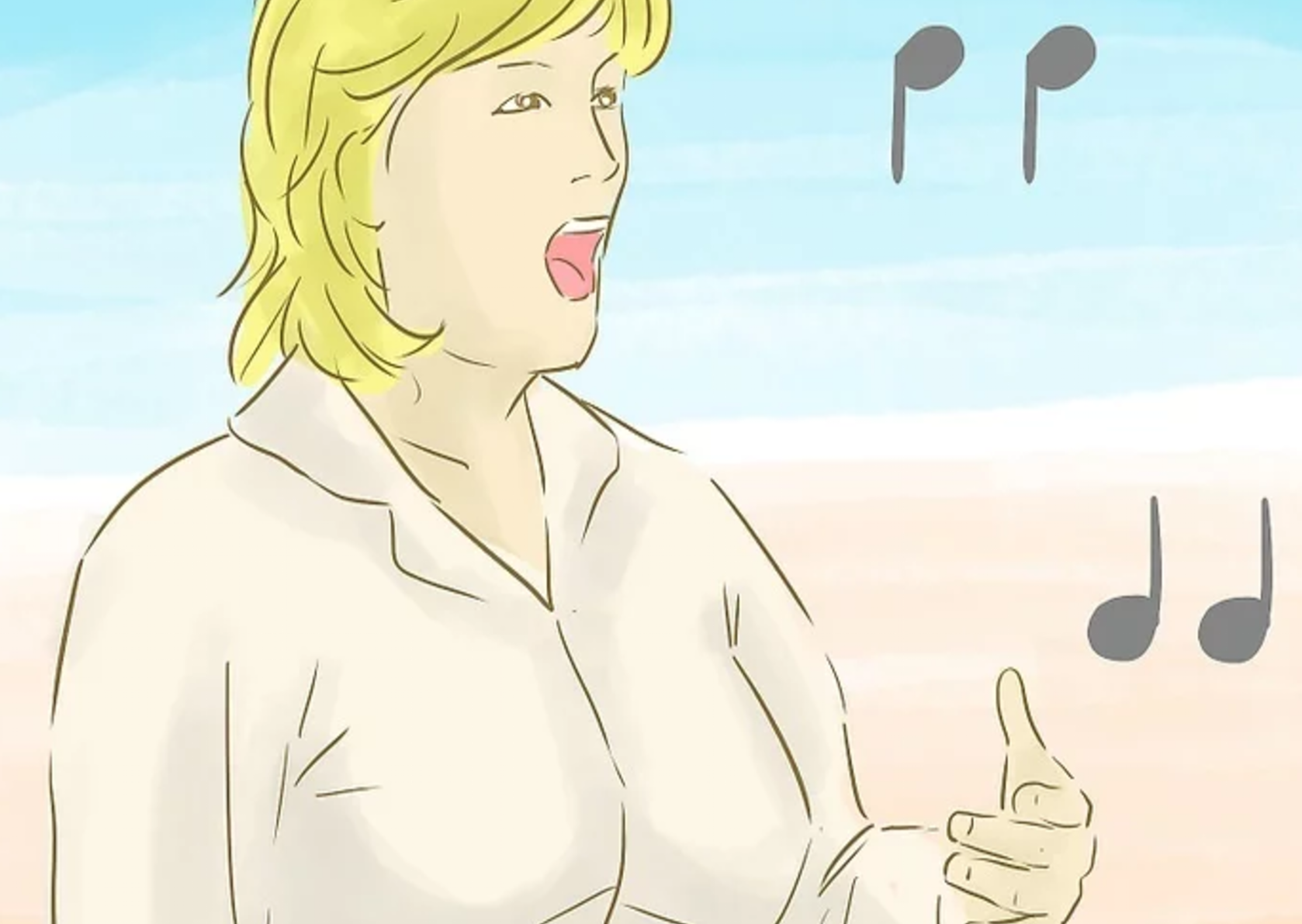
Chest Voice Dominance
Lesson Objective
This advanced lesson focuses on mastering chest voice dominance. With healthy diaphragmatic support. You will refine power, stability, resonance control. As well as endurance. All without strain. This is not about shouting or forcing volume, but about efficient breath management, optimal cord closure, and resonant placement that allows the chest voice to remain strong, flexible and sustainable across demanding repertoire.1. Understanding Chest Voice at an Advanced Level
Chest voice is the lower and thicker-sounding vocal register that you use when you speak. Hence, creating a vibration that you can feel if you place your hand on your chest. This is the most natural and common register for both singing and speaking.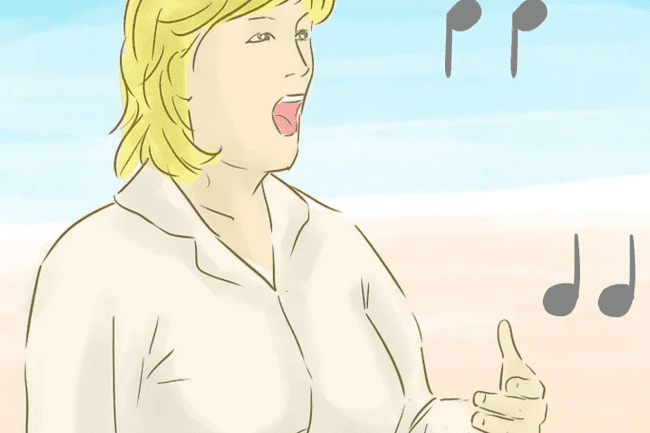
It’s called ‘chest voice’ because the sound resonates in your chest cavity.
- Feel anchored and not pushed
- Remain responsive across dynamic changes
- Blend smoothly toward the passaggio without breaking
2. The Role of the Diaphragm
The diaphragm is a large, dome-shaped, involuntary muscle. You can locate it at the base of the lungs under your rib cage. It plays a crucial role in breathing and supporting your voice when you sing. When you inhale, your diaphragm expands and moves upward, creating space for your lungs to expand. When you exhale, the diaphragm relaxes and moves downward. Thus, helping to control the release of air. Proper breath support from the diaphragm is essential for powerful and controlled singing. Advanced vocalism masters breath management through coordinated breathing techniques involving:- Diaphragm
- Intercostal muscles (rib expansion and contraction)
- Abdominal muscles (controlled engagement, but never clenching)
Key Concept: Appoggio
Appoggio is the balance between breath pressure and vocal fold resistance. You should feel:- Expansion around the lower ribs and back
- A steady, pressurised, controlled airflow
- Very little chest movement
3. Optimal Chest Voice Posture & Alignment
Advanced chest singing requires structural efficiency:- Head balanced over spine
- Sternum comfortably lifted (not rigid)
- Neck and jaw released/relaxed
- Knees unlocked
- Legs at shoulder width
4. Advanced Breathing Drill (Silent Power Breath)
How to Sing from Your Chest/Diaphragm: A Step-by-Step Guide
Here is a step-by-step guide to help you master singing from your chest and diaphragm: Step 1: Master Diaphragmatic Breathing Before you can sing from your diaphragm, you need to learn how to breathe correctly. You will have covered this by now and will be expected to used your learnt knowledge to complete these exercises.- Stand up straight with your shoulders relaxed. Inhale slowly through your pursed lips. Allow your abdomen area to expand. Exhale slowly through your mouth, feeling the area contract. Repeat a few times.
- Using the ‘Hot Potato’, breathe out a relieved breath. Breathing in and out four times.
- Now add vocals to the relieved breath. ‘Haa’, ‘Hee’, ‘Hoo’.
- Allowing no air before sound, sing a verse from a song.
- Keep practising, making sure you connect the breathing to the sound, as you have learned to do.
5. Chest Voice Strength Without Strain
Exercise: Anchored Sustain
- Choose a comfortable pitch in your range.
- Sing ‘Ahh’ at medium volume
- By now you should remember to add the ‘H’.
- Sing ‘Haaaah’. Air before sound.
- Maintain rib expansion while controlling the exhalation of the sound
- Don’t be afraid to use higher notes also
Exercise: Descending Power Scales
- Begin above your speaking range
- Descend on a 5-note scale ‘Yah’
- Allow thickness to increase naturally as pitch lowers
6. Managing Volume
True chest power comes from resonance efficiency, not force. Advanced singers control loudness by:- Increasing resonance space (pharyngeal openness)
- Maintaining steady airflow
- Controlled projection
7. Chest-to-Mix Preparation (Critical for Advanced Singers)
A strong chest voice must transition smoothly into mix. Practice:- Projecting your voice at different volumes
- Reduced air pressure near the passaggio
- Maintaining support while releasing fold thickness
- Sing a song and maintain control over the chest voice
8. Common Advanced Mistakes
- Locking the abs instead of coordinating them
- Over-darkening vowels to sound ‘powerful’
- Driving chest voice too high without modification
- Not breathing and misplacing air
- Using backward voice and missing the forward voice projection